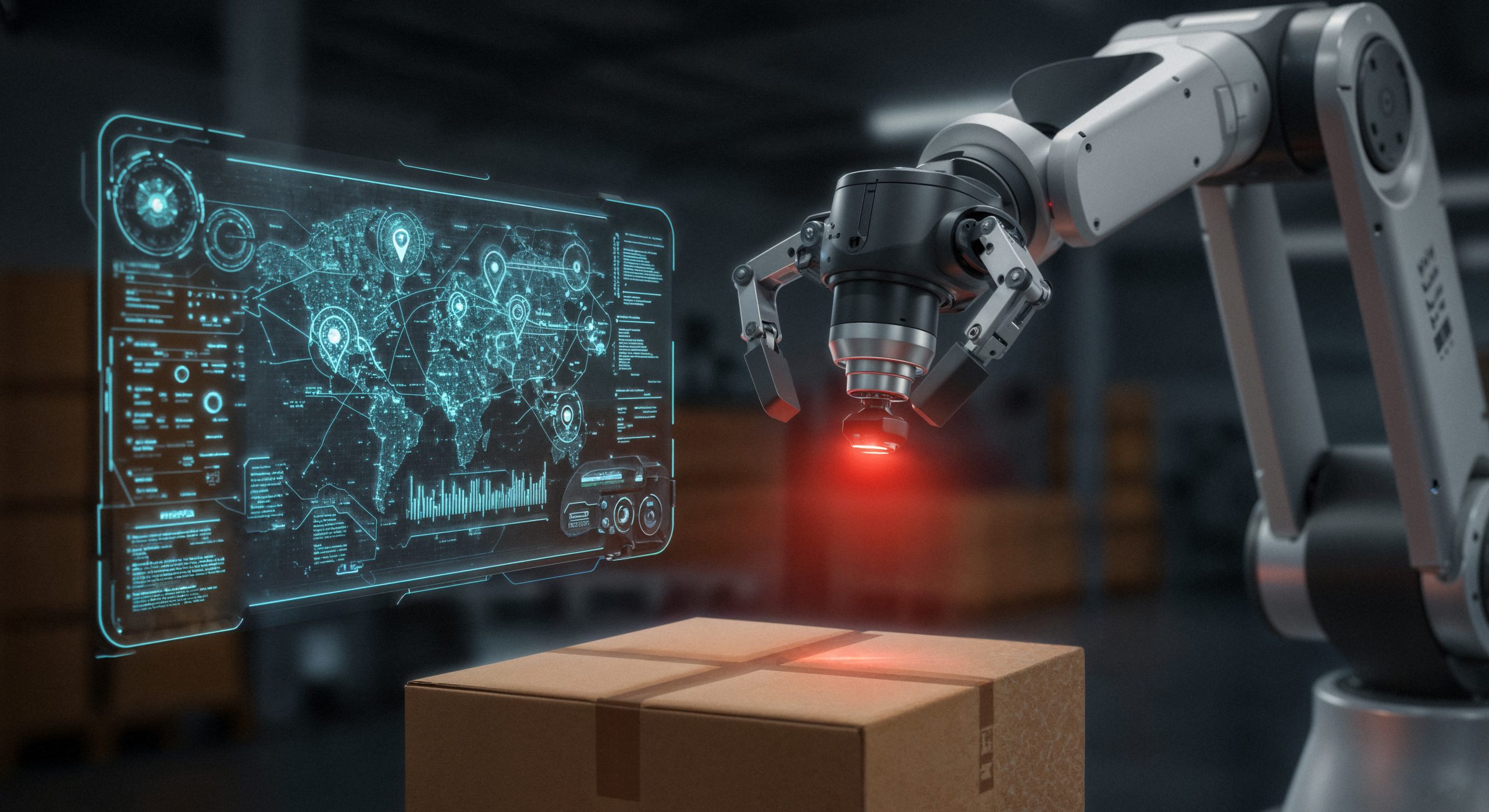
In today’s competitive industrial landscape, manufacturers are under constant pressure to improve profitability while maintaining quality and efficiency. However, many organizations hesitate to adopt new technologies due to concerns about high costs, operational disruption, and complex implementation. The good news is that smart manufacturing offers a practical path to improving margins—without the need for large-scale overhauls.
Understanding Smart Manufacturing
Smart manufacturing integrates technologies such as Artificial Intelligence (AI), Industrial IoT (IIoT), and real-time analytics into existing production environments. Unlike traditional automation, which often requires extensive infrastructure changes, smart manufacturing focuses on enhancing current systems with data-driven intelligence.
This approach allows manufacturers to modernize incrementally, minimizing disruption while maximizing value.
Why Margins Are Under Pressure
Indian manufacturers, like their global counterparts, face several challenges:
- Rising energy and raw material costs
- Increasing labor expenses
- Demand for higher quality and faster delivery
- Global competition and pricing pressure
Improving margins in such an environment requires better efficiency, reduced waste, and smarter decision-making—all of which smart manufacturing enables.
Key Ways Smart Manufacturing Boosts Margins
- Optimizing Existing Assets
Smart manufacturing leverages sensors and monitoring tools to extract more value from existing machinery. By tracking performance in real time, manufacturers can improve utilization and reduce idle time without investing in new equipment. - Reducing Downtime with Predictive Maintenance
Unexpected equipment failures can be costly. Predictive maintenance uses data analytics to identify potential issues before they occur, reducing downtime and maintenance expenses. - Improving Process Efficiency
Real-time insights help identify bottlenecks and inefficiencies in production workflows. By addressing these issues quickly, manufacturers can increase output and reduce operational costs. - Minimizing Waste and Rework
Quality issues often lead to material waste and rework. Smart systems monitor production parameters continuously, ensuring consistency and reducing defects. - Energy Optimization
Energy is a major cost driver in manufacturing. Smart monitoring systems track consumption patterns and identify opportunities to reduce energy usage, directly improving margins. - Better Decision-Making
Access to accurate, real-time data enables managers to make informed decisions quickly. This reduces delays, improves planning, and enhances overall operational efficiency.
Minimal Disruption, Maximum Impact
One of the biggest advantages of smart manufacturing is its non-disruptive implementation. Instead of replacing entire systems, manufacturers can:
- Start with pilot projects in critical areas
- Integrate new technologies with existing infrastructure
- Scale solutions gradually based on results
This phased approach reduces risk and ensures a smoother transition.
Quick ROI and Long-Term Gains
Smart manufacturing solutions often deliver quick returns by addressing immediate inefficiencies. Reduced downtime, lower energy costs, and improved productivity contribute to faster ROI.
Over time, these benefits compound, leading to sustained improvements in profitability and competitiveness.
Overcoming Common Concerns
Many manufacturers worry about the complexity of digital transformation. However, modern solutions are designed to be user-friendly and adaptable. With the right implementation partner and strategy, even small and mid-sized manufacturers can successfully adopt smart manufacturing.
Conclusion
Improving margins doesn’t always require massive investments or disruptive changes. Smart manufacturing offers a smarter alternative—leveraging data and technology to enhance existing operations.
By adopting a gradual, strategic approach, manufacturers can unlock significant cost savings, improve efficiency, and stay competitive in an evolving market. The path to higher margins is no longer about working harder—it’s about working smarter.
Leave a Reply