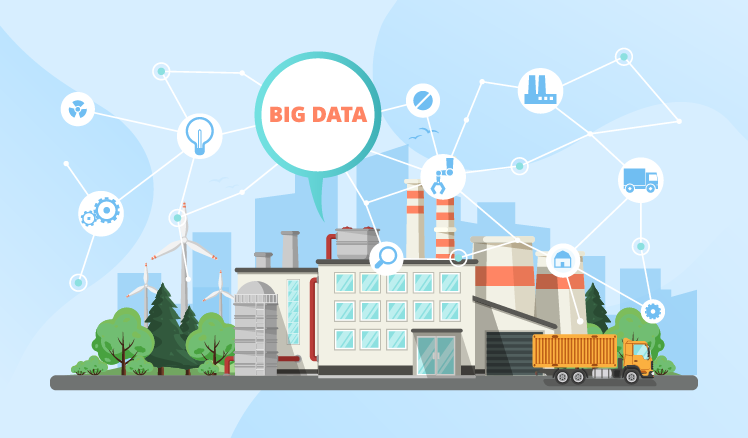
In today’s competitive manufacturing environment, success depends on more than machines and manpower. It depends on data. With the rise of Industrial Automation, factories now generate vast amounts of real-time information from machines, sensors, and control systems. When this information is collected, analyzed, and used effectively, it becomes Big Data — a powerful driver of efficiency and smarter production.
At TFrenzy, Industrial Automation solutions enable manufacturers to transform raw operational data into actionable insights that streamline processes and improve performance.
The Role of Big Data in Modern Manufacturing
Every automated machine, conveyor system, energy meter, and monitoring device produces data. This includes:
- Machine performance metrics
- Production speed and cycle times
- Equipment temperature and vibration data
- Quality inspection results
- Energy consumption levels
- Inventory and material flow information
Without analytics, this data remains unused. But with intelligent monitoring systems and digital tools, manufacturers gain real-time visibility into operations. This visibility allows businesses to identify inefficiencies, reduce waste, and optimize workflows.
Predictive Maintenance: Reducing Downtime
One of the most valuable applications of Big Data in manufacturing is predictive maintenance.
Traditional maintenance models rely on fixed schedules or reactive repairs after a breakdown occurs. Big Data changes this approach. By continuously monitoring machine conditions, systems can detect unusual patterns — such as increased vibration or overheating — that indicate potential failure.
This allows maintenance teams to act before a breakdown happens, resulting in:
- Reduced unplanned downtime
- Lower maintenance costs
- Extended equipment lifespan
- Improved production reliability
With Industrial Automation and intelligent monitoring systems, manufacturers can move from reactive operations to predictive performance.
Improving Product Quality
Quality control is critical in every manufacturing sector. Big Data enables continuous monitoring of production parameters to ensure consistent output.
Real-time analytics can identify deviations in temperature, pressure, or machine calibration that may affect product quality. When detected early, corrective actions can be taken immediately, minimizing defects and reducing rework.
The result is:
- Higher product consistency
- Reduced material waste
- Greater customer satisfaction
- Stronger compliance with industry standards
Data-driven quality management strengthens both operational efficiency and brand reputation.
Optimizing Material Flow and Energy Usage
Efficient manufacturing also depends on optimized material movement and energy management. Big Data helps manufacturers analyze production flow, detect bottlenecks, and streamline logistics within the facility.
Energy monitoring systems, integrated with automation platforms, provide detailed insights into energy consumption patterns. This enables manufacturers to identify areas of high usage and implement corrective measures.
Benefits include:
- Lower operational costs
- Improved resource utilization
- Enhanced sustainability
- Reduced environmental impact
By combining Industrial Automation with data intelligence, manufacturers create smarter, greener operations.
Real-Time Decision Making
Big Data dashboards provide managers with a clear overview of key performance indicators (KPIs) such as machine efficiency, output rates, downtime, and production targets.
Instead of relying on delayed reports, leaders can make real-time decisions based on accurate data. This improves responsiveness, supports better planning, and enhances overall operational control.
When production data is centralized and accessible, teams collaborate more effectively and align with business objectives.
The Future of Data-Driven Manufacturing
Big Data is no longer optional — it is essential for modern manufacturing success. As Industrial Automation continues to evolve, the integration of advanced analytics, machine monitoring, and digital solutions will further enhance productivity and competitiveness.
Manufacturers who leverage Big Data can:
- Streamline production processes
- Reduce downtime and waste
- Improve quality and compliance
- Increase operational transparency
- Drive continuous improvement
At TFrenzy, Industrial Automation solutions empower businesses to transform production environments into intelligent, data-driven ecosystems.
Leave a Reply