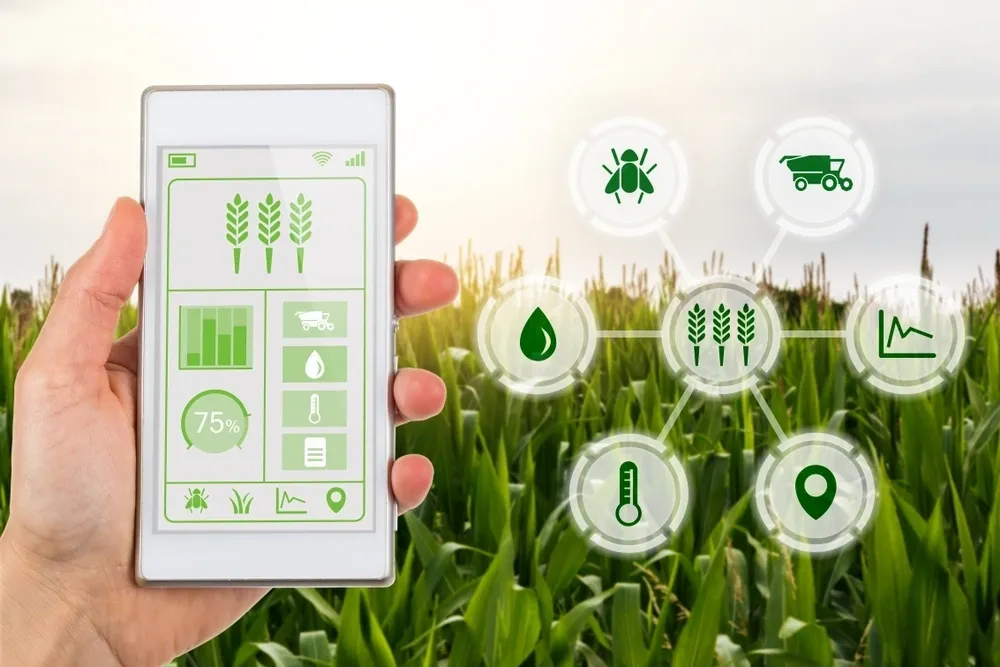
In today’s world, agriculture is no longer just about soil, seeds, and seasons — it’s about data. With the rise of big data in agriculture, farmers are harnessing the power of advanced analytics, satellite imagery, IoT sensors, and machine learning to optimize crop yields and improve efficiency. This transformation is at the heart of precision farming and smart agriculture, enabling the agricultural sector to meet the growing global food demand sustainably.
What is Big Data in Agriculture?
Big data refers to the massive volume of information collected from multiple sources — weather forecasts, soil sensors, GPS-enabled tractors, drone imagery, and market trends. In agriculture, this data is analyzed to make accurate predictions, guide decision-making, and streamline farming operations.
How Big Data Improves Crop Yields
One of the biggest benefits of data-driven farming is its ability to significantly boost crop productivity. Here’s how:
- Precision Planting – By analyzing soil health, moisture levels, and historical yield patterns, big data helps farmers plant crops at the right time, in the right place, and in the right way.
- Predictive Analytics – Advanced algorithms can forecast pest infestations, disease outbreaks, and climate changes, allowing farmers to take preventive action.
- Optimized Resource Management – Big data enables precision irrigation and targeted fertilizer application, ensuring that water and nutrients are used efficiently without wastage.
- Real-Time Monitoring – IoT-enabled devices provide constant updates on crop growth, soil conditions, and environmental factors, helping farmers make quick, informed adjustments.
Efficiency Gains Through Big Data
Beyond yield improvement, big data also enhances overall farm efficiency. By using predictive maintenance on machinery, tracking supply chain logistics, and aligning production with market demand, farmers can reduce costs, cut waste, and improve profitability.
For example, smart tractors equipped with GPS and sensors can collect detailed field data while performing routine work, saving time and labor costs. Similarly, satellite imagery can track crop health over vast areas, eliminating the need for manual inspections.
Sustainability and Environmental Benefits
Big data doesn’t just help farmers grow more — it helps them grow smarter. With targeted resource use and better crop planning, agriculture becomes more sustainable, reducing the environmental footprint. This aligns with global efforts to promote climate-smart agriculture and food security.
The Future of Farming is Data-Driven
As technology continues to evolve, the role of big data in agriculture will only grow stronger. Artificial intelligence, blockchain for supply chain transparency, and advanced machine learning models are set to revolutionize how we grow, process, and distribute food.
Farmers who adopt these innovations early will be better equipped to handle market volatility, climate challenges, and rising food demands. The combination of big data analytics and traditional farming wisdom holds the key to a more productive, efficient, and sustainable agricultural future.
In today’s world, agriculture is no longer just about soil, seeds, and seasons — it’s about data. With the rise of big data in agriculture, farmers are harnessing the power of advanced analytics, satellite imagery, IoT sensors, and machine learning to optimize crop yields and improve efficiency. This transformation is at the heart of precision farming and smart agriculture, enabling the agricultural sector to meet the growing global food demand sustainably.
What is Big Data in Agriculture?
Big data refers to the massive volume of information collected from multiple sources — weather forecasts, soil sensors, GPS-enabled tractors, drone imagery, and market trends. In agriculture, this data is analyzed to make accurate predictions, guide decision-making, and streamline farming operations.
How Big Data Improves Crop Yields
One of the biggest benefits of data-driven farming is its ability to significantly boost crop productivity. Here’s how:
- Precision Planting – By analyzing soil health, moisture levels, and historical yield patterns, big data helps farmers plant crops at the right time, in the right place, and in the right way.
- Predictive Analytics – Advanced algorithms can forecast pest infestations, disease outbreaks, and climate changes, allowing farmers to take preventive action.
- Optimized Resource Management – Big data enables precision irrigation and targeted fertilizer application, ensuring that water and nutrients are used efficiently without wastage.
- Real-Time Monitoring – IoT-enabled devices provide constant updates on crop growth, soil conditions, and environmental factors, helping farmers make quick, informed adjustments.
Efficiency Gains Through Big Data
Beyond yield improvement, big data also enhances overall farm efficiency. By using predictive maintenance on machinery, tracking supply chain logistics, and aligning production with market demand, farmers can reduce costs, cut waste, and improve profitability.
For example, smart tractors equipped with GPS and sensors can collect detailed field data while performing routine work, saving time and labor costs. Similarly, satellite imagery can track crop health over vast areas, eliminating the need for manual inspections.
Sustainability and Environmental Benefits
Big data doesn’t just help farmers grow more — it helps them grow smarter. With targeted resource use and better crop planning, agriculture becomes more sustainable, reducing the environmental footprint. This aligns with global efforts to promote climate-smart agriculture and food security.
The Future of Farming is Data-Driven
As technology continues to evolve, the role of big data in agriculture will only grow stronger. Artificial intelligence, blockchain for supply chain transparency, and advanced machine learning models are set to revolutionize how we grow, process, and distribute food.
Farmers who adopt these innovations early will be better equipped to handle market volatility, climate challenges, and rising food demands. The combination of big data analytics and traditional farming wisdom holds the key to a more productive, efficient, and sustainable agricultural future.
Leave a Reply